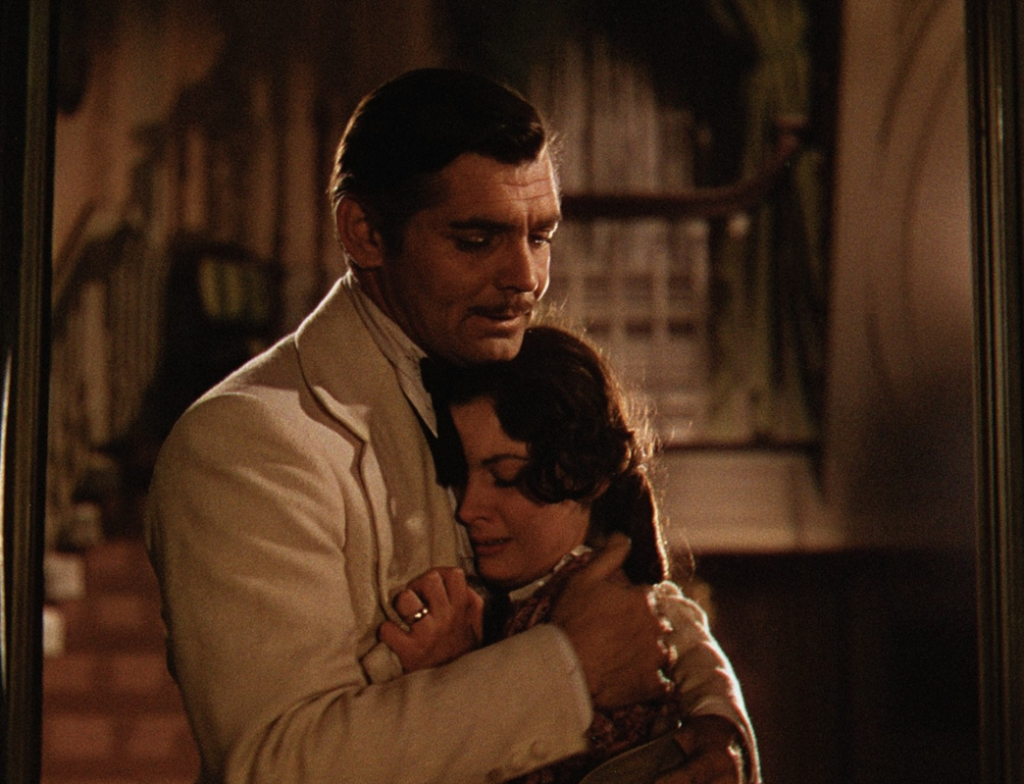
Redemption Stories on Screen: How Films About Second Chances Echo My Own Journey

Many of us find encouragement in stories of people who hit rock bottom yet rise again through unexpected help and inner change. For fresh examples of redemption arcs in current films and series—including recent releases exploring forgiveness and renewal—follow the latest reviews and news at ozscreen.com, an Australian site dedicated to movies, TV, and celebrity journeys.

My own path from addiction to freedom in Christ, detailed in my memoirs, resonates deeply with these on-screen testimonies of second chances.

The Shack (2017): Grief Transformed into Healing

Based on William P. Young’s bestselling novel, the film follows Mack Phillips, devastated by the loss of his daughter, who encounters God in a remote shack. Sam Worthington portrays the raw pain that turns to hope through divine encounters.

The movie drew over $96 million globally despite controversy, touching millions with its message that forgiveness—even of the unforgivable—brings restoration. I’ve seen similar turning points when people surrender bitterness to God, experiencing the same peace Mack discovers.

Les Misérables Adaptations: Grace Over Law

Victor Hugo’s classic, adapted countless times (most recently the 2012 musical with Hugh Jackman as Jean Valjean), centers on a convict redeemed by a bishop’s mercy. Valjean’s lifelong pursuit of righteousness despite pursuit by Javert highlights grace triumphing over legalism.

The 2012 version earned three Oscars and over $440 million worldwide. Its theme of “to love another person is to see the face of God” aligns with the transformative love I encountered through Christ after years of bondage.

Hacksaw Ridge (2016): Conviction and Courage

Mel Gibson directed this true story of Desmond Doss, a conscientious objector who saved 75 lives in Okinawa without carrying a weapon. Andrew Garfield’s portrayal earned widespread praise.

The film grossed $180 million and won two Oscars. Doss’s unwavering faith amid ridicule and battle mirrors the discipline required to walk as Christ’s disciple—standing firm when the world demands compromise.

Personal Parallels and Biblical Truth

These stories remind me of my own deliverance: once trapped in cycles of addiction and despair, set free by surrendering to Jesus. Like Valjean receiving silver from the bishop, I received unmerited grace that changed everything.

Scripture confirms this pattern—Paul, from persecutor to apostle; Peter, from denier to rock. Films echo these truths, showing redemption isn’t fiction but available to all who turn to God.

Encouragement for Readers

If you’re struggling or know someone who is, these films can spark hope. Watch with an open heart, then seek the real Source of second chances.

My books share the unvarnished truth of how faith in Christ brings lasting freedom. Redemption isn’t just for the screen—it’s offered to each of us today. Reach out if you’d like to explore that journey further.


The Benefits of Reading: Enriching Minds and Lives

Reading books is not only a leisure activity but also a profoundly enriching experience that offers numerous benefits for individuals of all ages. From stimulating the mind to enhancing empathy and fostering personal growth, the act of reading has a transformative effect on both mental and emotional well-being.

First and foremost, reading expands knowledge and stimulates intellectual curiosity. Whether delving into works of fiction, non-fiction, or educational literature, readers are exposed to new ideas, perspectives, and information that broaden their understanding of the world. By engaging with diverse topics and genres, readers cultivate critical thinking skills and develop a lifelong thirst for learning.

Moreover, reading enhances vocabulary and language skills. Exposure to written language through books helps readers improve their grammar, spelling, and comprehension abilities. As readers encounter unfamiliar words and phrases, they learn to decipher meaning from context and expand their lexicon. This linguistic enrichment not only benefits academic performance but also enhances communication skills in everyday life.

In addition to cognitive benefits, reading fosters empathy and emotional intelligence. Through immersion in fictional narratives, readers are transported into the lives and experiences of characters from diverse backgrounds and cultures. This empathetic engagement with fictional worlds cultivates a deeper understanding of human emotions, motivations, and relationships, leading to greater empathy and compassion towards others in real life.

Furthermore, reading serves as a form of mental stimulation and relaxation. In a fast-paced world filled with digital distractions, immersing oneself in a good book provides a welcome escape from stress and anxiety. The act of reading promotes mindfulness and focus, allowing readers to temporarily disconnect from the pressures of daily life and engage in a solitary, introspective activity that nourishes the soul.

Additionally, reading has been shown to improve mental health and well-being. Studies have found that regular reading can reduce stress levels, alleviate symptoms of depression and anxiety, and even delay cognitive decline in old age. The therapeutic benefits of reading extend beyond mere entertainment, offering solace, inspiration, and hope to readers facing life’s challenges.

Moreover, reading fosters creativity and imagination. As readers visualize scenes, characters, and settings described in books, they exercise their imaginative faculties and develop the ability to think creatively. This imaginative engagement with literature fuels innovation and problem-solving skills, making readers more adaptable and resourceful in various aspects of their lives.

In conclusion, the benefits of reading are manifold and far-reaching. From expanding knowledge and vocabulary to fostering empathy, relaxation, and creativity, reading enriches minds and lives in countless ways. As a timeless and universal activity, reading continues to inspire, educate, and empower individuals of all ages, making it a truly invaluable pursuit for personal growth and fulfillment.

Reading books opens doors to profound personal growth—expanding empathy, sparking imagination, and offering glimpses of redemption, resilience, and second chances through characters who overcome adversity and rewrite their stories. Many powerful films capture that same transformative spirit, turning tales of regret and renewal into inspiring cinematic journeys. If the emotional depth of literature has you reflecting on themes of forgiveness and fresh starts, explore our article Redemption Stories on Screen: How Films About Second Chances Echo My Own Journey. It spotlights heartfelt movies—from classics like The Shawshank Redemption to modern gems—that mirror real-life paths to healing and self-discovery, blending on-screen inspiration with personal insights to motivate your own narrative of growth and renewal!

The Evolution of E-Books: A Digital Literary Revolution

In the era of rapidly advancing technology, the traditional landscape of literature has undergone a profound transformation with the rise of electronic books, commonly known as e-books. This digital revolution has reshaped how readers access and engage with content, marking a significant shift from the tangible pages of physical books to the convenient and portable world of digital reading.

E-books, in essence, are digital versions of printed books that can be read on electronic devices such as e-readers, tablets, smartphones, and computers. The appeal of e-books lies in their accessibility and portability, allowing readers to carry an entire library with them wherever they go. This convenience has played a pivotal role in the widespread adoption of e-books, particularly among tech-savvy readers.

One of the primary advantages of e-books is the immediacy of access. With just a few clicks, readers can download and start reading a book instantly, eliminating the need to wait for shipping or visit a physical store. This instant gratification has fueled the popularity of e-books in a fast-paced world where time is of the essence.

Furthermore, e-books offer enhanced features that go beyond the capabilities of traditional books. Adjustable font sizes, customizable backgrounds, and interactive elements are just a few examples of how e-books cater to individual preferences and enhance the overall reading experience. These features are especially beneficial for individuals with visual impairments, making literature more inclusive and accessible.

The environmental impact of e-books is also noteworthy. Unlike printed books, which require paper, ink, and transportation, e-books contribute significantly less to deforestation and carbon emissions. The digital nature of e-books aligns with a growing global awareness of sustainable practices, making them an eco-friendly alternative for environmentally conscious readers.

Despite the undeniable advantages of e-books, the debate between digital and physical reading experiences continues. Some readers argue that the tactile sensation of holding a physical book and flipping through its pages cannot be replicated by a digital device. Additionally, concerns about eye strain and the potential distractions offered by electronic devices are factors that contribute to the ongoing discussion surrounding the preference for traditional books.

In conclusion, the advent of e-books has undeniably revolutionized the literary landscape. The convenience, accessibility, and eco-friendly nature of e-books have positioned them as a prominent force in the world of literature. As technology continues to advance, it is likely that the digital reading experience will evolve even further, shaping the future of how we consume and interact with written content.

The rise of e-books has made stories of personal transformation, forgiveness, and second chances more accessible than ever—allowing readers to dive into inspiring narratives of redemption anytime, anywhere on their devices. Many powerful films bring these same themes to life on screen, turning tales of regret, renewal, and resilience into deeply moving cinematic experiences. If the emotional depth of literature has you reflecting on journeys of self-forgiveness and fresh starts, explore our article Redemption Stories on Screen: How Films About Second Chances Echo My Own Journey. It spotlights uplifting movies—from timeless classics like It’s a Wonderful Life to modern gems like The Pursuit of Happyness—that mirror real-life paths to healing, blending heartfelt on-screen moments with personal insights to inspire your own story of growth and renewal!

Cinematic Masterpieces: Timeless Film Adaptations of Literary Classics

 This collection presents an array of exceptional film adaptations, each bringing iconic literary works to the silver screen with brilliance and artistry.

1. Anna Karenina (2012) – This film adaptation of Leo Tolstoy’s classic novel captures the tragic romance of Anna Karenina and Count Vronsky against the backdrop of Russian aristocracy. The film is praised for its stunning cinematography and powerful performances, bringing the iconic characters and their emotional turmoil to life in a visually captivating manner.

2. The Shawshank Redemption (1994) – Based on Stephen King’s novella “Rita Hayworth and Shawshank Redemption,” this film tells the compelling story of friendship and hope in the face of despair. It is celebrated for its gripping narrative, poignant character development, and masterful portrayal of the human spirit’s resilience.

3. To Kill a Mockingbird (1962) – Harper Lee’s Pulitzer Prize-winning novel comes to life in this cinematic adaptation, addressing themes of racial injustice and moral growth through the eyes of young Scout Finch. The film is lauded for its powerful social commentary and standout performances, becoming a timeless reflection of courage and integrity.

4. The Lord of the Rings: The Fellowship of the Ring (2001) – J.R.R. Tolkien’s epic fantasy masterpiece is brilliantly brought to the screen in this film, immersing viewers in the vivid world of Middle-earth. Known for its breathtaking visuals, compelling storytelling, and rich character development, the film remains a benchmark in cinematic fantasy adaptations.

5. The Godfather (1972) – Based on Mario Puzo’s novel, this film portrays a powerful crime saga centered around the Corleone family. It is renowned for its gripping narrative, complex characters, and iconic performances, solidifying its status as a timeless classic in cinematic history.

6. A Clockwork Orange (1971) – Stanley Kubrick’s adaptation of Anthony Burgess’ dystopian novel offers a thought-provoking exploration of morality and free will. The film’s bold visual style, penetrating social commentary, and unforgettable performances make it a standout adaptation that continues to captivate audiences.

7. Gone with the Wind (1939) – Margaret Mitchell’s sweeping epic of love and loss during the American Civil War is masterfully brought to life in this film. Featuring lavish production design, memorable performances, and a poignant portrayal of resilience, it remains a beloved classic that stands the test of time.

This curated selection underscores the timeless allure of film adaptations of literary classics, embodying the profound depth and enduring relevance of these masterpieces. Each film captures the spirit and essence of its source material, illustrating the power of storytelling and the enduring impact of literature on the silver screen.